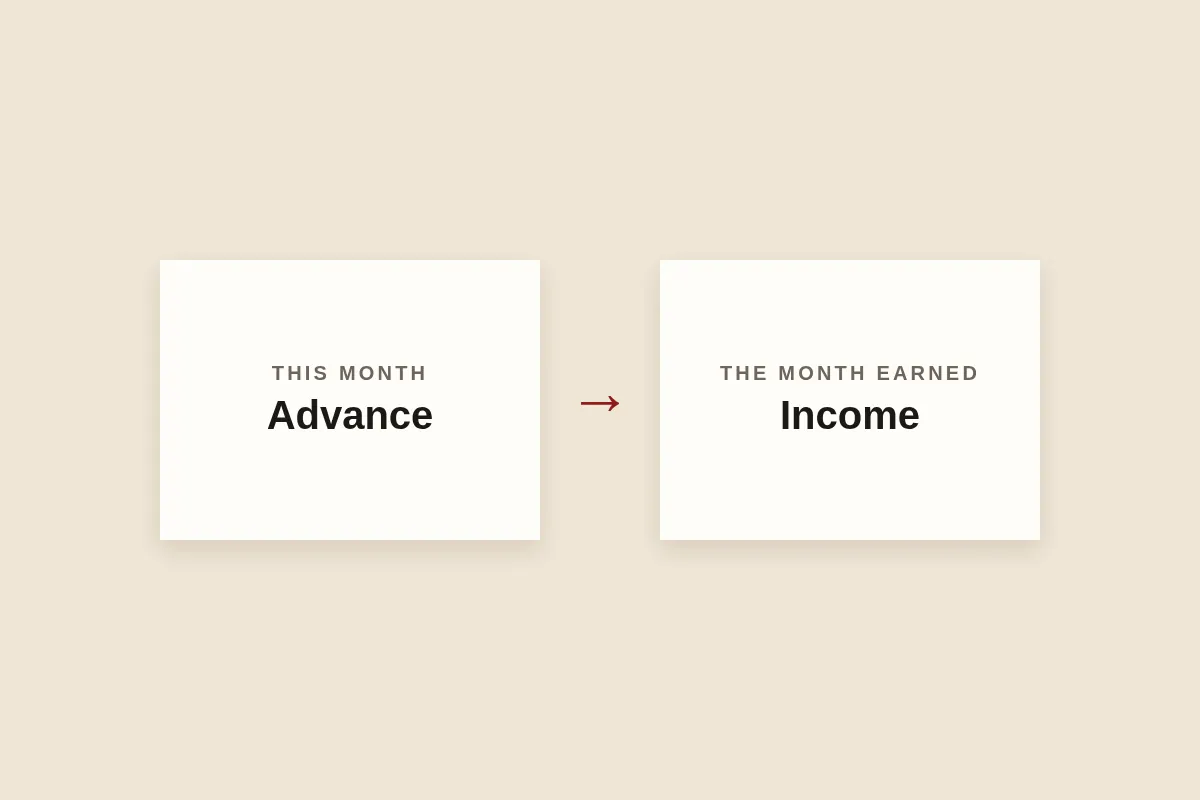
Two kinds of money share one word.
Clients say retainer for both. One kind is earned when it arrives, and it can be income that day. The other is an advance, and it stays owed back until the work is done. The item in the file is how the firm picks.
An item pointed at income recognizes the fee on the deposit date. An item pointed at the liability waits. If you would have to refund the money tomorrow because the work has not started, the item should not say income.
Publication 5602 on this page is the cover examiners use for attorney files. The picture is the guide. Your retainer item is the fact we want in the note.
What that guide tells an examiner.
The guide tells an examiner that a cash basis attorney's retainer is generally taxable in the year it is received, and that an advance can still sit in a trust account until the fee is earned. Those are two different deposits, and the file has to show which one arrived.
The cover of the guide says the text is not an official position of the revenue service and that a reader cannot cite it as one. The revision date printed on the file we used is 11 January 2022.
We treat the guide as a warning about a filed year, not as a script. The item in your file, and the year already filed, are the facts that decide the hour.
Name the year before the deposit moves.
Moving a retainer inside a year that is already filed is how the trust story and the return story split. We will not move the deposit on a call and leave the year unnamed.
If you do not know which years are filed, say so. Unknown is a better first answer than a guess. Bring the item the deposit used, and the year, if you have it.
A shareholder basis form, a partner schedule, and an estimate voucher all come later. They follow the income. They do not create it. The retainer item comes first.
What the partners take after the fee is earned.
Once a fee is earned, the question becomes what the partners draw and what stays in the firm. That decision is not a plug in the software. It is the month's real choice.
A draw taken from a fee that has not been earned gets named before it becomes a habit. The return has to tell the same story as the trust account about that day.
This page does not quote a fee for reading one retainer item. The item and the last month the totals agreed are enough to start.
A test you can do with one deposit.
Open the newest retainer. Read the item it used. Write one line that says income, liability, or not sure. Amounts can wait. The direction is the fact.
If a third person has a claim that has already matured, that person is still in the picture until they are paid. We do not treat the remainder as a fee while that claim is open.
Firms that work under a state trust rule can read that rule on the state page. This page stays with the habit that is the same in every state.
Name the year.
The item and the year are enough.
You will be talking to the Steven Palmieri practice.
Source. IRS Publication 5602. The publication.